Xiamen, China · Global OEM Manufacturing Support[email protected]
Home / Injection Mold Manufacturing
Tooling from defined requirements

Injection molds built around the finished part.

METIC coordinates international tooling projects while Hongye supports mold manufacturing, process review and trial validation in Xiamen.

DFM ReviewPart and tooling inputs
EDM + WEDMComplex tooling features
Trial ValidationSamples against criteria
Export SupportScope through delivery

Define the part before the tool

A useful injection mold enquiry starts with the part model, intended resin, expected production quantity and cosmetic requirements. Critical dimensions, assembly interfaces and surfaces where visible marks are unacceptable should be identified before the tooling scope is agreed.

If the mold will run on your equipment, provide molding-machine constraints and connection requirements. Part geometry, undercuts, draft, gate preferences and surface appearance can affect the tool concept and trial plan.

Agree the tooling scope

Cavity requirements, tool material, expected tool life, interchangeable inserts, trial samples, inspection criteria, spare components and destination should be documented. Proposed design changes should be reviewed against the function of the molded part, not only tooling convenience.

Trial and acceptance

Before tooling begins, define what will be supplied for approval: sample quantity, material, inspection report, cosmetic assessment and any fit or assembly checks. This creates a clearer basis for trial review and final acceptance.
A controlled tooling workflow

01

Requirement review

Confirm the part function, resin, volume, appearance, tolerances and open technical questions.

02

Tooling scope

Align cavities, tool materials, trial deliverables, acceptance criteria and commercial scope.

03

Manufacturing & trial

Build, assemble and trial the mold, then review samples and agreed inspection results.

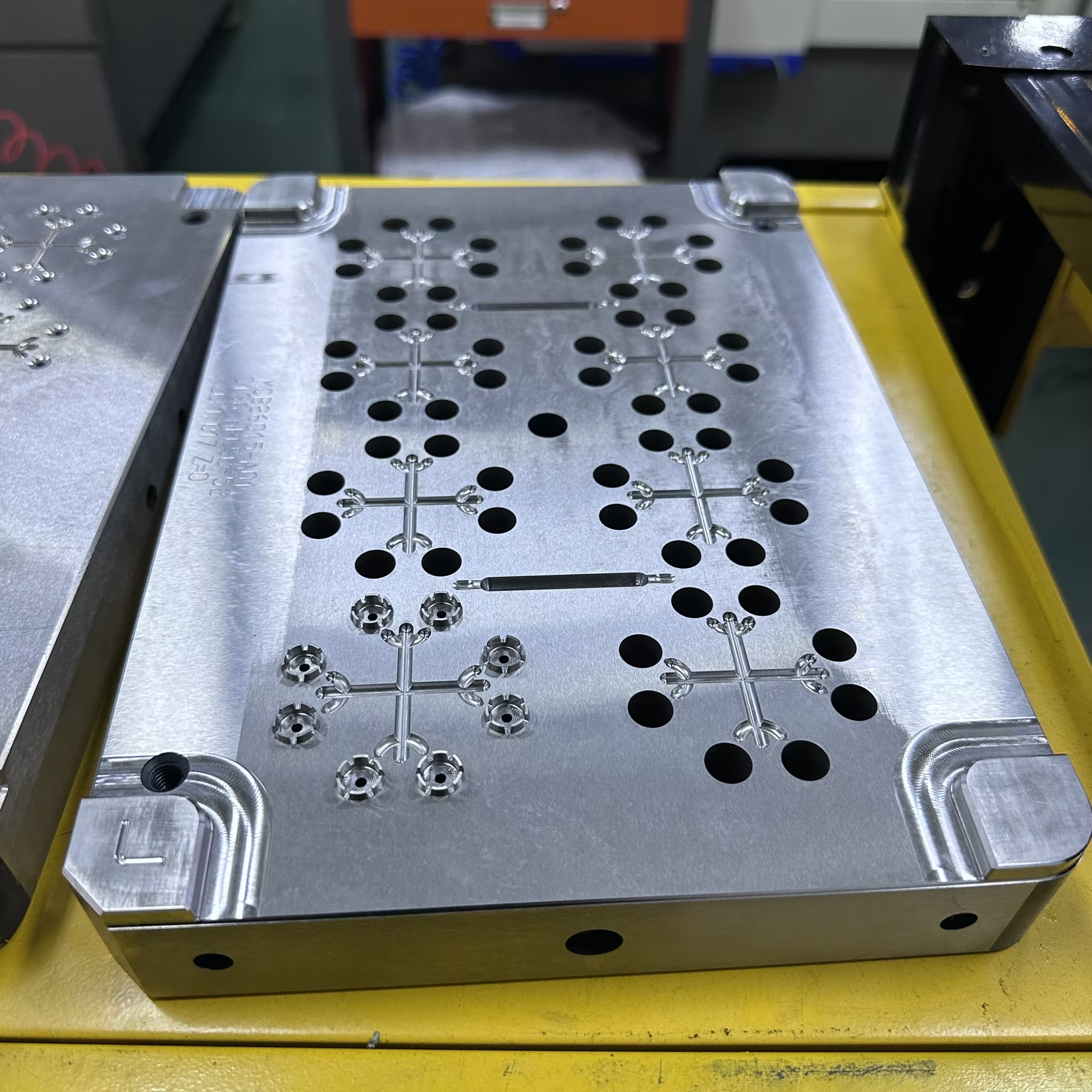
Precision mold plate and tooling detail
Mold plate machining detail
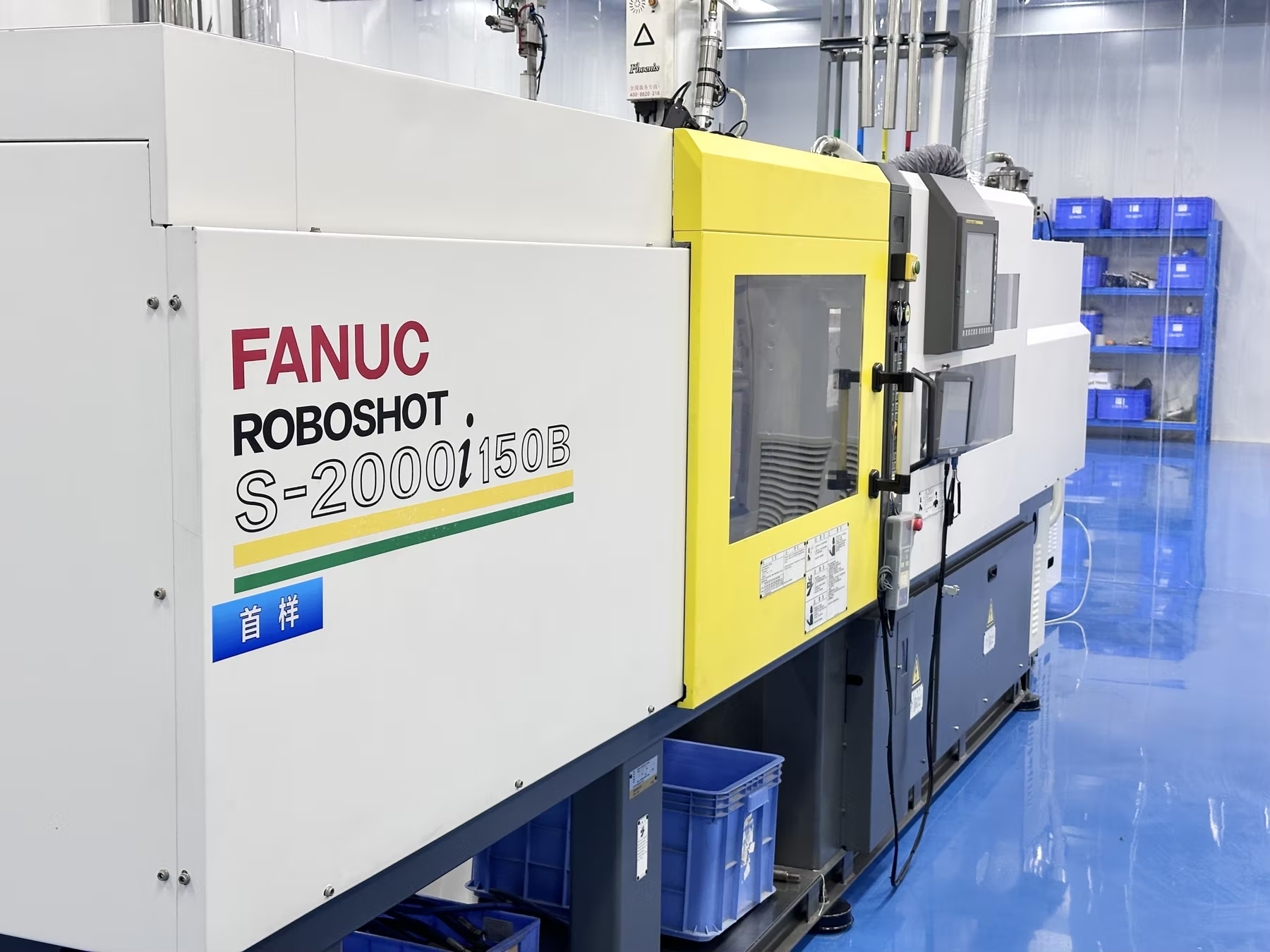
Injection molding production equipment
Molding and trial environment

Questions buyers ask

What if the resin or cavity count is undecided?

State the expected application and production volume and identify the open decision. These factors influence tooling design, material selection and commercial scope.

Why are cosmetic surfaces important?

Visible surfaces influence gate position, parting lines, ejector marks, texture requirements and sample acceptance. Identify them on the model or drawing.

Can the team review part manufacturability?

Yes. Share the 3D model and functional requirements so draft, wall thickness, undercuts and other tooling considerations can be discussed before the scope is finalized.

See a photographed precision mold plate and tooling workshop →

Prepare a clearer tooling quotation.

Send the part model, resin, volume and acceptance requirements.

Start a Mold Enquiry →
WA